Why This Cheetah Starbucks Cup Wrap Charms Customers
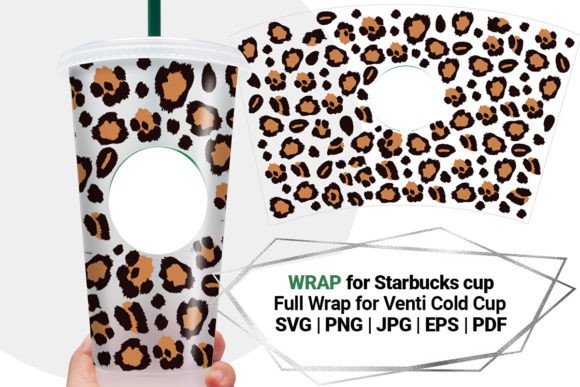
When you first open a design file, you’re looking for that spark—a visual personality that tells you instantly what kind of project it will become. The Cheetah Wrap for Starbucks 24 Oz Cup has that spark. It’s playful, instantly recognizable, and carries a modern, trendy vibe that feels perfect for a personal gift or a boutique product. The layout, with its bold cheetah print band wrapping the cup graphic, creates a sense of movement and fun. This isn't a generic, static logo; it feels like an accessory, something a person would be happy to carry. The detail level is clean and graphic, which is a huge plus for embroidery. You’re not looking at a design that will turn into a muddle of tiny, impossible stitches; the shapes are defined and the spaces between them are clear. That’s a designer’s first clue that this embroidery file will translate well from screen to stitch.
The Natural Habitat for This Embroidery Design
Imagine you’re preparing items for a craft fair. You want products that connect quickly, that people understand and desire. This Cheetah Wrap design belongs on items that celebrate personal style and small pleasures. I immediately thought of a custom tote bag. A well-made canvas tote with this design embroidered neatly on the front isn't just a bag; it’s a statement for the coffee lover. It turns a utilitarian item into a personalized gift with a sense of identity. Similarly, a high-quality sweatshirt or apron with this wrap embroidered on the chest or pocket creates that same connection—it’s casual, friendly, and relatable.
The design also fits beautifully into the world of baby and nursery items. A simple baby blanket or a cute pillow cover in a nursery, embroidered with this playful cup wrap, becomes a sweet, modern gift. It’s not overly childish; it’s a design a parent who loves their daily Starbucks trip would appreciate. For small shop merchandise, this kind of design builds brand consistency if your shop’s mood is fun and contemporary. It engages buyers because it’s familiar yet personalized, a graphic they feel they own.
Where the Stitching Path Gets Tricky
As a practical designer, I always think about where a design might struggle. The cheetah print portion of this wrap, with its spotted pattern, has areas of density. On very textured fabrics like some terry cloth or on thin, stretchy fabrics like certain t-shirts, that density could pose a challenge if not stabilized properly. You’ll need a good stabilizer to keep the fabric from puckering and to maintain the crispness of the cup’s outline and the spots.
Also, consider scale. While the overall shape is clear, if you try to shrink this down for a very small hoop size—say, for a tiny patch on a cap—you risk losing the clarity of the spots and the definition between the cup and the wrap. It’s best suited for a moderate to larger hoop area, giving those details room to breathe. Embroidering on curved surfaces like the crown of a cap also requires careful hooping and stabilization to keep the circular cup graphic looking round and not distorted.
On dark fabric, the visual appeal remains high, but thread color choice becomes critical. The design’s appeal relies on the contrast between the cup and the cheetah band. You’ll need to test thread colors to ensure that the cup outline pops against a dark background and that the cheetah spots remain distinct. A simple black-and-white mockup test before stitching can save you a lot of thread and frustration.
How This Design Elevates Your Finished Product
The true test of an embroidery file is how it makes the finished product feel. When this Cheetah Wrap is stitched well on a sturdy tote bag or a soft sweatshirt, it enhances the product’s value. It looks intentional and professional, not slapped-on. That builds customer trust—they see a clean, sharp embroidery job on a quality item. For a handmade presentation, it adds that layer of custom personality that mass-produced items lack. It’s giftable because it’s specific; it speaks directly to a hobby or a daily ritual of the recipient.
For commercial embroidery projects or for Etsy sellers creating digital product previews, the inclusion of multiple file formats like SVG, PNG, PDF, JPEG, and EPS is a significant advantage. It allows for flexibility. You can use the PNG for crisp printable mockups on your listings, showing customers exactly how the design would look on a product. The vector formats are crucial for clean scaling if you’re integrating the graphic into other design assets for your craft business branding.
Your Designer Checklist Before the Hoop Hits the Fabric
Before I commit any design to a client’s project or my own shop merchandise, I run through a short, practical list. For this Cheetah Wrap design, here’s what I’d do:
- Test on Scrap Fabric First. Use the same fabric and stabilizer you plan for the final project. See how the stitch density behaves, especially in the cheetah spots.
- Check Thread Color Contrast. Stitch a small section on both a light and dark scrap. Does the cup shape hold its identity against both backgrounds?
- Confirm Your Hoop Size. The design has a decent footprint. Ensure your chosen hoop can accommodate it without needing excessive rescaling.
- Inspect the Small Details. Look closely at the file for any tiny corners or junctions in the cup handle or wrap edges. Plan your stitch path to keep these clean.
- Review Licensing for Your Use. The product is in the Crafts and Graphics category. If you intend to sell the finished embroidered items or use the graphic commercially, always confirm the specific license terms provided with the files. This step is non-negotiable for professional and ethical work.
Embroidery is a transformation—from a digital graphic to a tactile, thread-based reality. The Cheetah Wrap for Starbucks 24 Oz Cup is a design that welcomes that transformation. Its clean graphics and friendly theme make it a reliable choice for projects where you want the result to feel joyful, modern, and thoughtfully made. Whether it’s destined for a holiday gift, a baby blanket, or a standout item in your small shop lineup, it has the character to carry through from the screen to the stitch, and ultimately, to the smile of the person who receives it.