Red Heart Leopard: A Statement Embroidery Design
The Initial Impact of a Bold, Graphic Heart
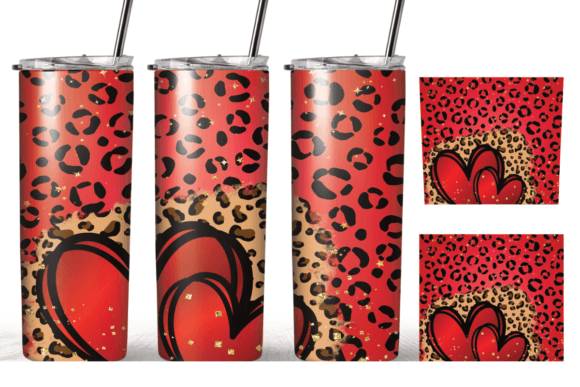
When I first opened the Red Heart Leopard 20oz Skinny Tumbler design, my immediate thought was that this is a design with a very clear personality. It’s bold, it’s graphic, and it communicates a certain confident, playful mood. The combination of a classic heart shape filled with a leopard print pattern creates a strong visual contrast. It’s modern and a touch rebellious, yet still maintains a sense of warmth because of its core shape. This isn’t a subtle, delicate piece; it’s meant to be seen and to make a statement. For embroidery, that’s a fantastic starting point. It tells me this embroidery design will translate into a finished product that has high visual impact, which is exactly what many customers are looking for in custom apparel or personalized gifts.
Finding Its Natural Home in Real Projects
I immediately started picturing where this would shine. Let’s say a client requests a unique birthday gift—a custom embroidered tote bag for a friend who loves bold patterns. This Red Heart Leopard design would be a perfect centerpiece. The generous template size, noted at 9.3 by 8.2 inches, means it’s built for a substantial area. On a tote bag front, it would command attention, turning a simple bag into a standout handmade product. The high-resolution PNG files provided, including both straight and tapered versions, give flexibility for different project surfaces. This versatility is key for a craft business.
Beyond bags, I envision it on the back of a heavyweight sweatshirt embroidery project, creating a trendy graphic look. For baby embroidery, it could be adapted (with careful scaling) onto a blanket or a knit hat for a truly unique nursery item. As a large embroidered patch, it could be applied to a jacket or backpack. The design’s inherent strength is its ability to elevate everyday items—aprons, pillow covers, even tea towels—into conversation pieces. For Etsy sellers and small shop product creators, this kind of design can form the core of a successful listing because it’s so visually engaging in printable mockups.
Practical Considerations for Stitching Success
While the visual appeal is strong, the practical execution is what separates a good idea from a great finished product. The leopard print fill inside the heart is the detail that requires attention. When translating this to stitches, the irregular spots and the negative space between them will be defined by the stitch density and your choice of thread colors. On lighter fabrics, using a dark brown or black for the leopard spots against a cream or tan fill for the heart background would create that classic look. On darker fabrics, you might invert that, using lighter threads for the spots to make them pop. This is a design where thread color contrast is absolutely critical to maintain the pattern’s readability.
Given the size, you’ll need to confirm hoop size capability on your machine. A design this large may require a larger hoop, especially if you’re adding any additional text or elements around it. Always test the design on scrap fabric first, using the same material and stabilizer you plan for the final project. This test run will reveal how the design handles the fabric texture. I would be cautious applying this to very thin or stretchy fabrics without a robust stabilizer, as the large filled area could potentially distort the fabric or cause puckering. Similarly, on highly textured fabrics like some sweaters, the intricate leopard pattern might lose some clarity.
Where a Bold Design Requires a Careful Approach
There are a few scenarios where I would proceed with extra planning. The detailed corners of the heart shape and the potential for dense stitch areas in the fill mean that on curved surfaces like caps or hats, you need to ensure your hooping technique accommodates the curve without compromising the design’s edges. For products that will undergo frequent washing, like kitchen towels or baby items, consider using a tighter stitch setting and high-quality thread to ensure the design’s longevity. The design’s strength is its boldness, but that also means any stitching imperfection in such a central graphic will be more noticeable. Your workmanship needs to match the design’s confidence.
The Business of Beauty: Value, Trust, and Engagement
From a commercial perspective, this embroidery design affects several key areas. Its visual appeal directly boosts the perceived product value. A well-embroidered item featuring this graphic looks professional, contemporary, and thoughtfully designed. That builds customer trust and enhances your overall brand consistency if bold, graphic work is your niche. For holiday embroidery or wedding gifts, it offers a modern alternative to more traditional motifs, potentially attracting a different customer segment.
The handmade presentation becomes more striking. When a customer receives a tote bag with this design, the reaction is likely to be immediate and positive because the design is so recognizable and emotive. This increases giftability and buyer engagement. For digital product sellers, offering this as part of a commercial embroidery collection can attract other creators looking for impactful design assets. However, a crucial note: always check whether the design works for both personal and commercial projects and confirm licensing before selling finished items or digital products. The product description states it’s ready for use, but verifying the specific license for your intended commercial use is a fundamental step for any creative entrepreneur.
Final Designer Notes for a Smooth Project
To wrap up this practical review, here are my condensed notes for putting the Red Heart Leopard 20oz Skinny Tumbler design into action. First, test it in black and white mockups to see how it reads without color; this helps assess the pattern’s fundamental strength. Compare light and dark fabric backgrounds digitally before committing to thread choices. Remember, the provided PNG files are for sublimation, but as an embroidery file concept, you’ll be translating that pattern into stitches, so focus on the shapes and contrasts.
- Use a stabilizer appropriate for your target fabric’s weight and stretch.
- Inspect the small details of the leopard print in your test stitch-out to ensure they are clear and not overly dense.
- Consider the end product. Is it a boutique pillow cover or a daily-use apron? That guides your thread and stabilizer choice.
- For craft fair products, this design can be a quick seller because it’s eye-catching from a distance.
- Always keep the product’s category and type in mind. As a Crafts and Graphics asset, its power is in its visual identity, which you are translating into a tactile, embroidered reality.
In essence, the Red Heart Leopard design is a powerful tool for creators. It provides a clear, modern graphic that, when executed with care and practical knowledge, can transform simple items into standout pieces that resonate with customers and elevate your embroidery work. It invites you to be bold, and with the right preparation, your finished project will confidently answer that call.