A Loaf of Love: Evaluating the Valentine Food SVG
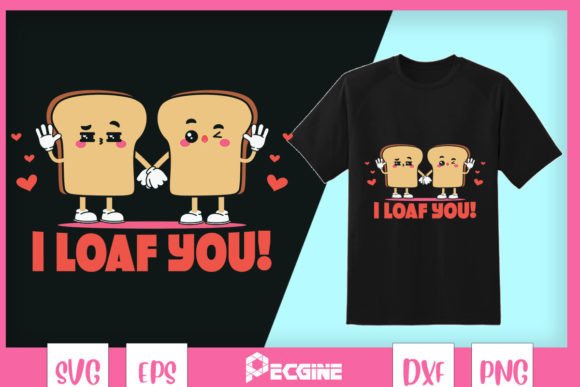
When I first opened the I Loaf You Valentine Food SVG, I smiled. It’s a clever, warm design that immediately feels like it belongs on something cozy. This isn’t just another generic heart; it’s a loaf of bread with a sweet, punny message baked right in. The mood it creates is playful, affectionate, and wonderfully homemade. As a designer, my first thought was how perfectly this visual personality translates into handmade products. The layout is clean, the shapes are friendly, and the detail level feels just right for embroidery—not overly complex, but with enough character to stitch up nicely.
The Perfect Project: Where This Design Finds Its Home
Let’s picture a real scenario. I’m preparing a custom embroidered tote bag for a client’s Valentine’s Day gift. They want something unique, not overtly romantic, but heartfelt. This design is the answer. The food theme softens the sentiment, making it perfect for a kitchen towel, an apron, or a pillow cover in a cozy living space. I imagine it stitched onto a soft cotton sweatshirt—the kind of garment you wear on a casual, comfortable day. It feels like it would resonate with customers looking for a gift with personality, something that says “I care” in a quirky, memorable way.
The design’s strength is its versatility within a specific niche. It shines on baby clothes for a playful nursery item, on a tea towel as a functional kitchen gift, or as a small embroidered patch on a denim jacket. For Etsy sellers and small shop owners, this file can anchor a whole line of Valentine’s merchandise: from totes to caps, all carrying that consistent, charming theme. In printable mockups for your digital shop, the clean lines and transparent background make it a professional-looking design asset.
Considering the Stitch: Practical Performance on Real Fabrics
In real-life embroidery project use, the design’s performance hinges on its simplicity. The bold outlines of the loaf and the text “I Loaf You” suggest it will translate well into satin stitch borders or fill stitch areas without becoming a dense, stiff patch. On a tote bag’s sturdy canvas or a sweatshirt’s fleece, it should maintain clarity. However, this is where practical judgment comes in.
You must consider where to use it carefully. On very small hoop sizes, the lettering, particularly “Loaf,” needs attention. Test it on scrap fabric first to ensure the smaller curves don’t get lost. On stretchy fabric like t-shirts, a good stabilizer is non-negotiable to keep the bread shape from distorting. Embroidering on dark fabric requires thoughtful thread color contrast—a bright cream or white for the loaf itself to pop. The design’s corners are rounded, which is good news for stitch integrity, but on curved surfaces like caps, you’ll want to preview the placement to avoid the design wrapping awkwardly around the seam.
Beyond the Machine: How This Design Impacts Your Craft Business
The value of a good embroidery file isn’t just in the stitches; it’s in the final finished product you sell or gift. The I Loaf You Valentine Food SVG, when stitched well, elevates the visual appeal of your item. It looks intentional and clever, which boosts product value. For a customer, that cleverness creates a moment of recognition and delight, which is key for buyer engagement in your craft business.
It affects customer trust and your professionalism. A clean, well-executed embroidery of this design signals that you understand both technique and taste. It helps with brand consistency if you specialize in witty, food-themed, or holiday embroidery products. The design’s inherent giftability is high—it’s personal without being intrusive, making it a safe yet special choice for a personalized gift. For commercial embroidery projects, like a series of kitchen towels for a boutique, it offers a repeatable motif that customers can collect.
A Designer’s Notes Before You Hoop the Fabric
Before you run this machine embroidery design, here are my practical notes. Always, always test on scrap fabric of the same type you plan to use. This lets you review the actual stitch density and see how the small details render. Check your thread color palette against both light and dark backgrounds; perhaps stitch a sample in black and white to see the form alone. Confirm your hoop size can accommodate the design with a comfortable margin.
Since the product description mentions multiple file formats, including SVG, PNG, DXF, and EPS, you have flexibility. The SVG and vector files are great for scaling to your specific project size without loss. The pre-sized PNGs are convenient for quick digital product previews or mockups. However, as a responsible maker, you must confirm the licensing terms for this digital embroidery file before using it in commercial projects or selling finished items. The description doesn’t specify this, so it’s a crucial step to take.
Finally, think about the fabric texture. This design would be lovely on a smooth cotton for a baby embroidery item, but on a highly textured linen, the finer lines might get lost. Use a proper stabilizer for every project, and for items like aprons or blankets that need frequent washing, consider a robust stitch construction to ensure longevity.
The Final Impression: A Design That Feels Like Home
In conclusion, the I Loaf You Valentine Food SVG strikes me as a genuinely useful crafts and graphics asset. It’s not a flashy, complicated design, but its charm lies in its approachable, heartwarming theme. It naturally belongs on projects that evoke comfort and care. For the apparel decorator, the creative entrepreneur, and the hobbyist looking to make something special, it provides a solid, engaging foundation. Stitched onto a tote bag or a pillow, it doesn’t just say “I Loaf You”; it shows that you, the maker, invested thought and skill into a gift that’s meant to be cherished—and that’s the real value of a good design.