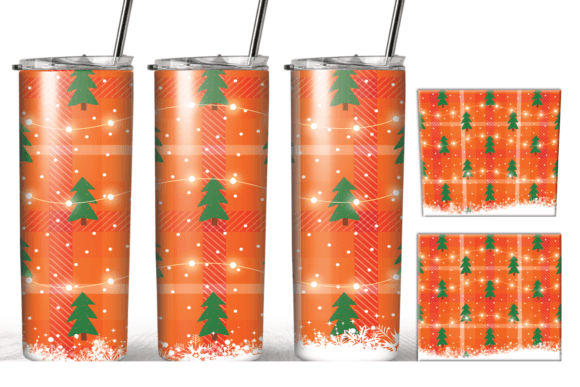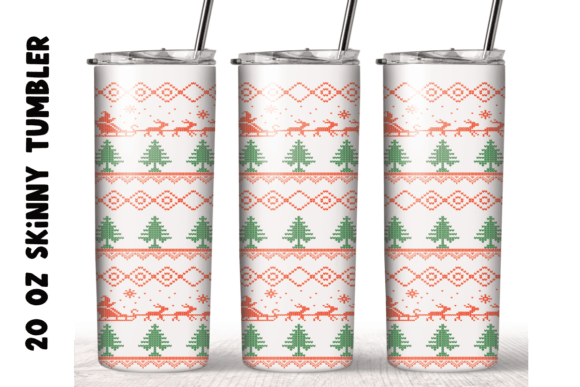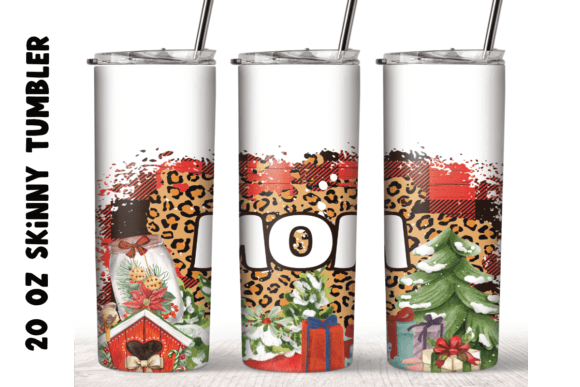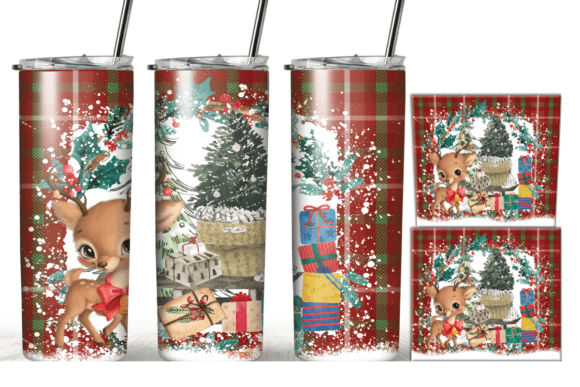
A Christmas Tumbler Graphic for Crafts and Seasonal Sales
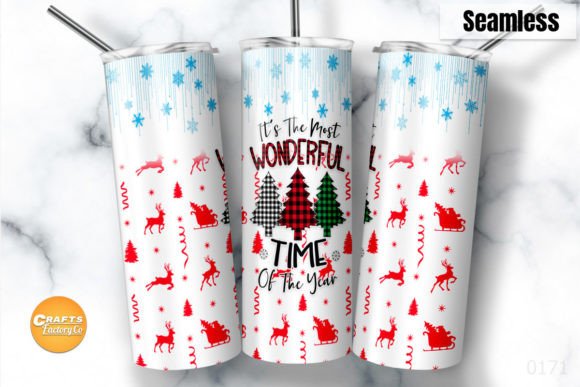
When I’m preparing my shop for the holiday rush, a new graphic asset needs to pass a simple test: does it look like it belongs on a real, sellable product? Opening the Christmas 20 Oz Skinny Tumbler design, my first impression is of a clear, festive commercial appeal. This isn’t a quirky, niche illustration; it’s a polished, seamless pattern built for sublimation. The mood is undeniably merry and bright, perfect for that audience looking for traditional, celebratory holiday items. It feels decorative and commercial, ready to be transformed into a physical product without a lot of extra design work from me.
Where This Tumbler Design Fits in a Product Line
For an online seller, versatility is key. This sublimation design isn’t locked to just tumblers. The specified sizing—9.3” by 8.2”—means it’s a substantial graphic. I immediately see its potential across a seasonal collection. It could become the core graphic design asset for a whole suite of digital products. As an SVG design, it would work for Cricut projects like heat-transfer vinyl for t-shirts or adhesive vinyl for ornaments. As a high-resolution PNG design, it’s ready for print-on-demand mugs, tote bags, or even as a focal point in printable wall art.
Thinking about my usual Etsy product listings, I could use this single asset to build a design bundle. It could anchor a holiday collection featuring clipart for greeting cards, elements for Canva templates, or patterns for digital paper packs. For social media graphics promoting my holiday shop, this design offers ready-made festive visuals. Its seamless nature means it can be tiled or extended, making it useful for larger format items like product mockups of wrapping paper or fabric, adding perceived value to a collection.
Testing the Asset Before You List Anything
Before I commit to creating and listing a new digital download, I run practical tests. The description notes you need to size the design yourself in your editing software. This is a crucial step. I wouldn’t just assume it prints correctly. My first move is to drop the graphic onto a realistic tumbler mockup. How do the colors look against the curved surface? Does the “Most Wonderful Time of the Year” sentiment remain clear and readable?
Next, I preview it as a marketplace thumbnail. On Etsy or Creative Fabrica, a tiny, crowded image won’t sell. I check if the design’s core elements are still visible when scaled down to a small square. I also test it on both white and dark backgrounds to ensure contrast isn’t lost, which is vital for sticker designs or mug designs where the base color might vary. For any intended Cricut project, I would convert it to an SVG and inspect the cut lines in my software to ensure they are clean and not overly complex, which can lead to cutting errors.
Strengths for Professional Product Presentation
This Christmas 20 Oz Skinny Tumbler graphic excels in situations where visual clarity and festive branding are needed. For large product previews in a Shopify store or as a hero image on a listing, its bold, seamless pattern creates an immediate holiday vibe. It supports visual storytelling for a seasonal collection—customers can instantly understand the theme. When bundled with complementary fonts or simple shapes, it helps with brand consistency across a holiday line, making my shop look more professional and cohesive.
Its traditional style likely attracts a broad audience looking for classic Christmas decor. This increases its utility for product bundles. I could pair this tumbler wrap with a matching social media template for promotions and a simple blog graphic, offering a complete small business branding kit for the season. Using it in mockup previews builds customer trust; they see a realistic application, not just a flat graphic. This directly impacts click-through potential and perceived value.
Caution Areas and Seller Notes
While versatile, this design should be used carefully in certain contexts. The intricate details and text might become lost if used for tiny sticker details. I would avoid using it in overly complex layouts where it could compete with other elements. For products where clean cutting lines are needed, like intricate vinyl decals, I would simplify the background pattern or use only the central motif to ensure clean production.
Always test print colors before selling physical products. Sublimation colors can shift. Verify the PNG transparency if you plan to layer it over other images. Crucially, confirm the commercial license of the original asset before selling any finished products or templates derived from it. As a seller, I organize the files clearly for my customers. If I create a Canva template with this design, I ensure layers are named and the sizing instructions are clear.
Font pairing can elevate this asset. Its traditional feel pairs well with a classic serif font for descriptive text or a clean sans serif font for modern contrast. A elegant script font could enhance the “most wonderful time” sentiment if used in accompanying text for invitation templates or planner stickers. The key is to let the graphic be the star and use typography to support it, not compete.
Final Thoughts for the Creative Entrepreneur
Evaluating the Christmas 20 Oz Skinny Tumbler from a business-minded perspective, it’s a solid, festive foundation asset. It won’t suit every niche—it’s not minimalist or rustic—but for the seller targeting a broad holiday market with physical crafts or digital downloads, it provides a ready-made starting point. Its greatest value is in its application-ready nature for sublimation and its scalability into other design assets.
The real test is in the mockup. By seeing it applied to a product, you judge its commercial viability. For a handmade business or a print-on-demand operation, this graphic can speed up your seasonal product creation, allowing you to focus on packaging, marketing, and customer service. It helps build a more professional-looking collection by providing a cohesive visual core. Before publishing any listing, spend time testing it across the products you intend to sell. That practical step separates a hobby project from a viable creative marketplace offering.